
A pressure water vessel built to national drinking water sanitation standards
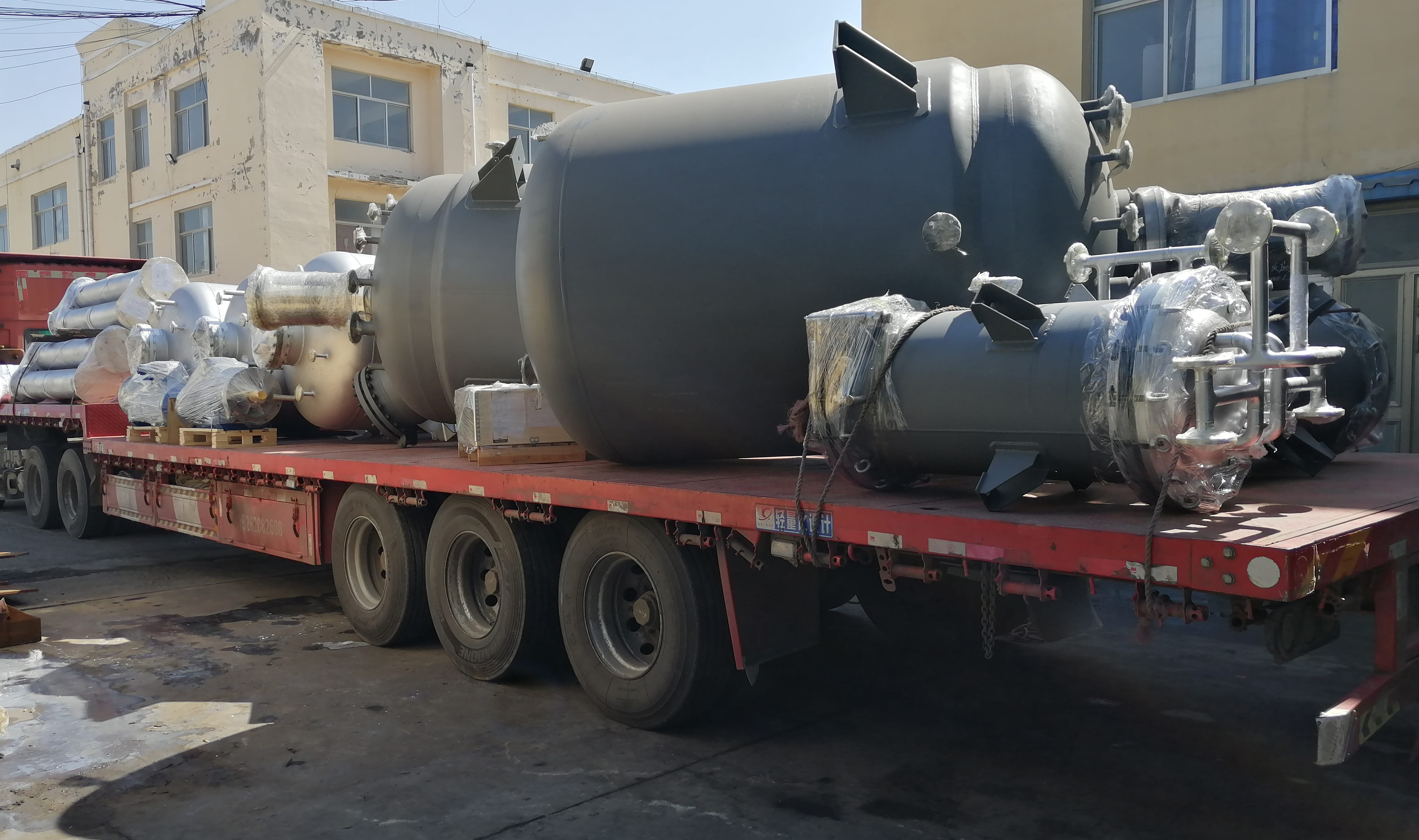
The customer needed intermediate storage for water under pressure, at a volume of 15 tonnes. Storage at that pressure is not a routine atmospheric tank job — once the vessel is pressurised, the design has to be a pressure vessel design, with a stated design pressure, a stated test pressure, and a defined maximum working temperature.
There was a second, equally important requirement. Because the stored medium is water that enters the potable supply, the vessel had to meet the national drinking water sanitation standard, not just a structural pressure standard. A tank can be perfectly safe and still be unsuited for potable service if the material and internal finish are not approved for food and water contact.
Insulation performance was a third item on the list, specified against the customer's own requirement rather than a standard figure.
We built the tank as a pressure water vessel with a design and test pressure of 2.0 MPa, an operating pressure below 2.0 MPa, and a maximum working temperature of 100°C.
The sanitation grade was addressed at the material and finish level rather than treated as an afterthought. Internal surfaces were specified and finished for drinking water contact, and the vessel was insulated to the customer's stated performance requirement to limit heat loss and reduce standing losses in storage.
The 15 m³ capacity was built to the customer's specification, and the same design can be adapted to other volumes and pressure ratings as required.
The vessel was delivered as a pressurised storage asset with a documented design pressure, test pressure and temperature rating, so the customer can operate and inspect it against stated limits rather than assumptions.
Meeting the drinking water sanitation standard alongside the pressure requirement is the part that matters most for this service. It means the tank can be placed in a potable water duty without a material concession, and the insulation specified to the customer's requirement reduces heat loss during storage.
Because the design is parameterised, the same configuration can be repeated at a different volume or pressure rating.