Process piping for synthetic ammonia, urea, methanol and hydrocracking duties
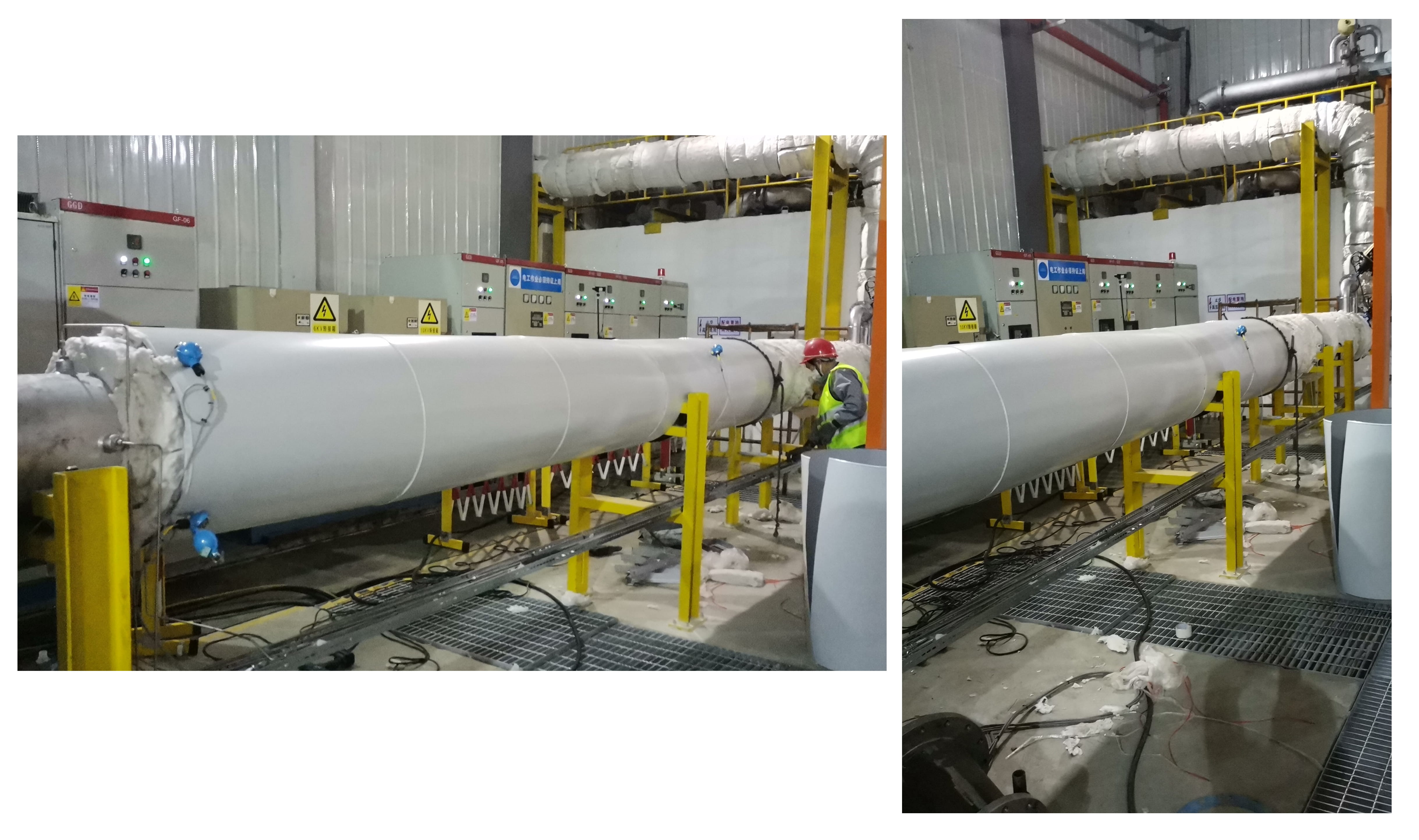
High pressure piping is used extensively in modern industry. A great many chemical processes now run at pressures between 10 and 100 MPa, and the most significant of these are synthetic ammonia production, urea production, methanol production, and petroleum hydrocracking.
The piping that connects high pressure chemical production units is a substantial part of the process system, and it carries a large share of the total capital value of the plant. In other words, it is not a minor ancillary item that can be deferred or substituted with a lower-rated alternative — it is a load-bearing part of the installation.
A petrochemical customer needed pipeline systems covering that 10–100 MPa range for these duties. Getting the specification right matters across the whole system: pressure rating, material selection, wall thickness, and the integrity of every weld and joint along the run.
We supplied high pressure pipeline systems covering the 10–100 MPa band, engineered for the specific process duty rather than produced to a generic rating.
By convention, high pressure piping is defined as piping carrying a fluid medium at 10–100 MPa. Piping above 100 MPa is classified separately as ultra-high-pressure piping, and is designed to a different standard. Keeping that boundary clear at the specification stage is what allows material and wall thickness to be chosen correctly instead of being over- or under-specified.
Because the customer was working across several processes rather than a single duty, we treated pressure class, medium and temperature as the defining inputs, and matched material and construction to each segment of the system.
The customer received pipeline systems specified across the full 10–100 MPa range, covering the four process duties identified above. Working to a defined pressure class, with the ultra-high-pressure boundary stated explicitly, meant every run in the system was designed to the standard that actually applies to it.
Because the pipeline is a significant share of plant value, specifying it up front — with the pressure class, medium and temperature agreed before fabrication — is what avoids the more expensive kind of correction later.