A custom-built distillation system for a distillery customer in Heilongjiang
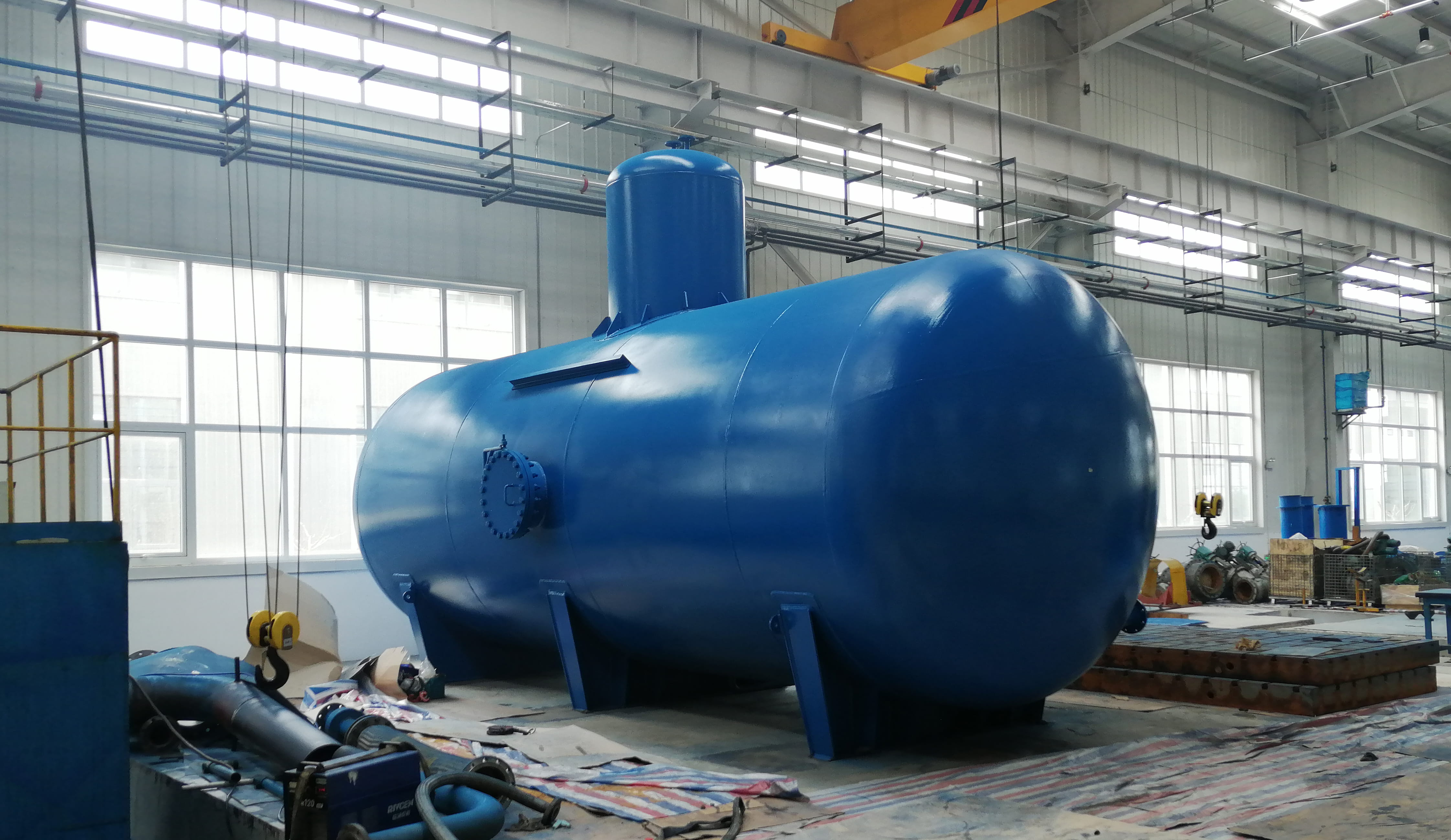
Distillation is a thermodynamic separation process. It exploits the different boiling points of the components in a liquid or liquid-solid mixture: the low-boiling fractions are vaporised and then condensed to separate the whole mixture. It is essentially a combination of two unit operations — evaporation and condensation.
Compared with other separation methods such as extraction or fractional crystallisation, distillation has one clear advantage: it does not require any solvent outside the components already in the system. That means the process introduces no new impurities into the product. For a beverage producer, that is not a minor detail — it removes an entire class of contamination risk from the finished spirit.
The customer, a distillery in Heilongjiang, needed a system that could deliver a higher concentration of alcohol than their existing setup, while keeping the product path free of added solvents.
We designed and built a distillation system specifically for this customer. The whole assembly uses food grade stainless steel components, finished to a mirror polish.
Both choices were deliberate. Food grade stainless steel means every wetted surface is a material approved for contact with food and beverage, which is what a spirits producer needs for its documentation and for customer confidence. The mirror polish serves a practical purpose beyond appearance: a smoother surface has fewer microscopic crevices for residue to lodge in, which makes cleaning between runs faster and more complete — a real benefit in a batch process that has to be turned around repeatedly.
The system was configured to reach a higher ethanol concentration than the customer's previous arrangement, using distillation alone and without introducing any additional solvent into the system.
The system was built as a purpose-specific unit rather than a modified standard skid, which allowed the separation stages to be tuned to the customer's target concentration. Because every product-contacting part is food grade stainless steel and no external solvent enters the process, the distillation route keeps the product stream free of added contaminants.
The mirror-polished wetted surfaces also reduced the manual cleaning effort between runs, which is where batch distillation plants typically lose the most time.